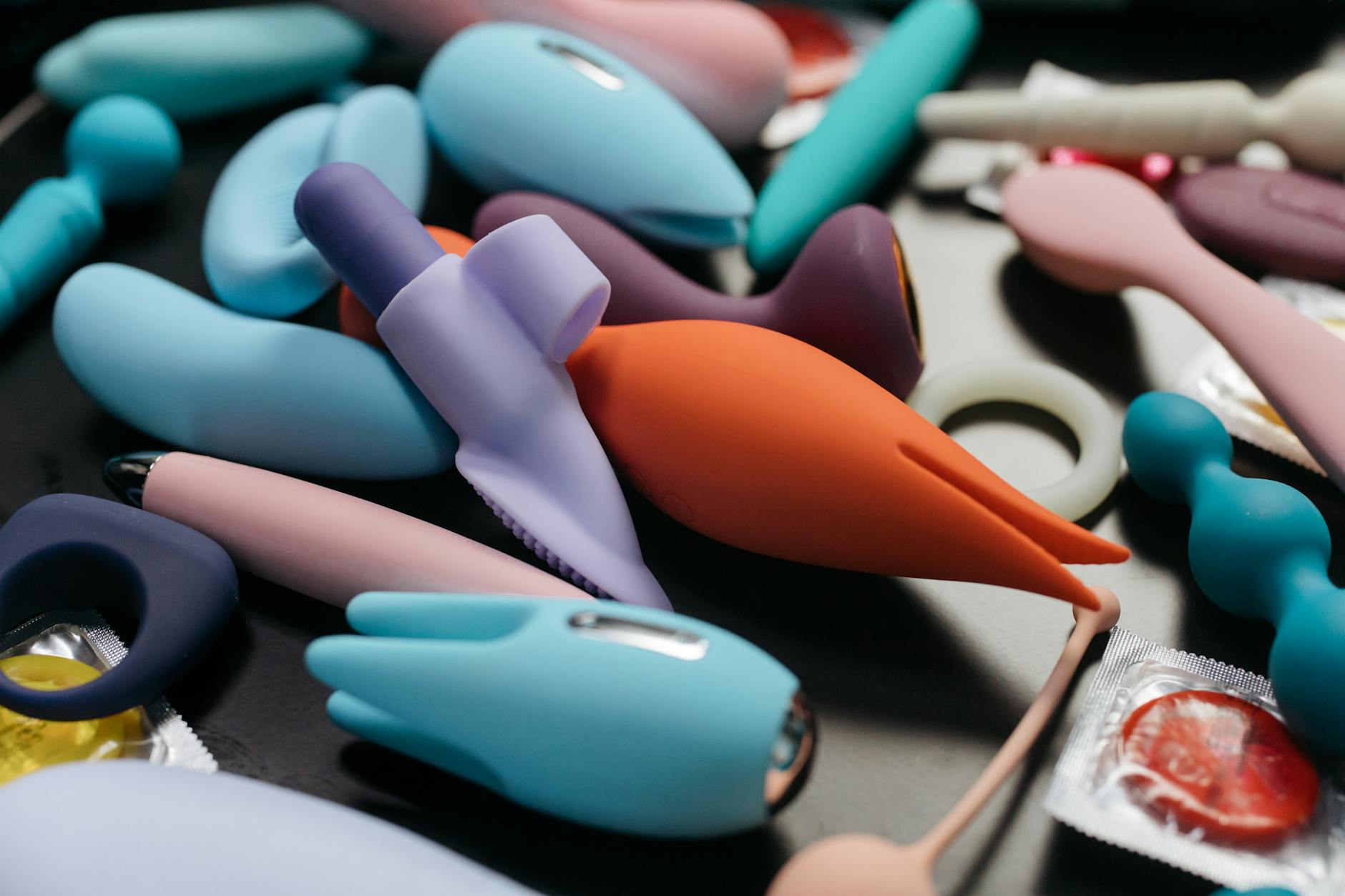
When desire goes quiet
Libido doesn't return on a schedule. You might expect it back after a difficult period—a breakup, burnout, health crisis, or just years of neglect—and instead find yourself in a holding pattern where arousal feels distant or nonexistent. That's not broken. That's how bodies work under stress, grief, or disconnection.
The mistake most people make is waiting for desire to show up first, then acting on it. Actually, desire often returns through gentle, consistent touch. Lemon clitoral vibrators become useful here not because they force arousal, but because they create a low-pressure space to relearn what pleasure feels like.
Why rebuilt desire is different from baseline desire
When libido returns naturally over time, it's usually steady. When it returns after a long absence, it arrives in layers. The first week might bring curiosity. The second, physical sensation without emotional warmth. The third, a sense of permission. This isn't linear, and that's the part therapists don't always explain clearly.
Your nervous system has learned to protect you. If you've been through shame, grief, or physical pain, your body may still be in a protective crouch even if your mind has moved on. Rebuilding desire means sending your nervous system a slow, repeated signal: touch here is safe, touch here is for you, touch here has no agenda.
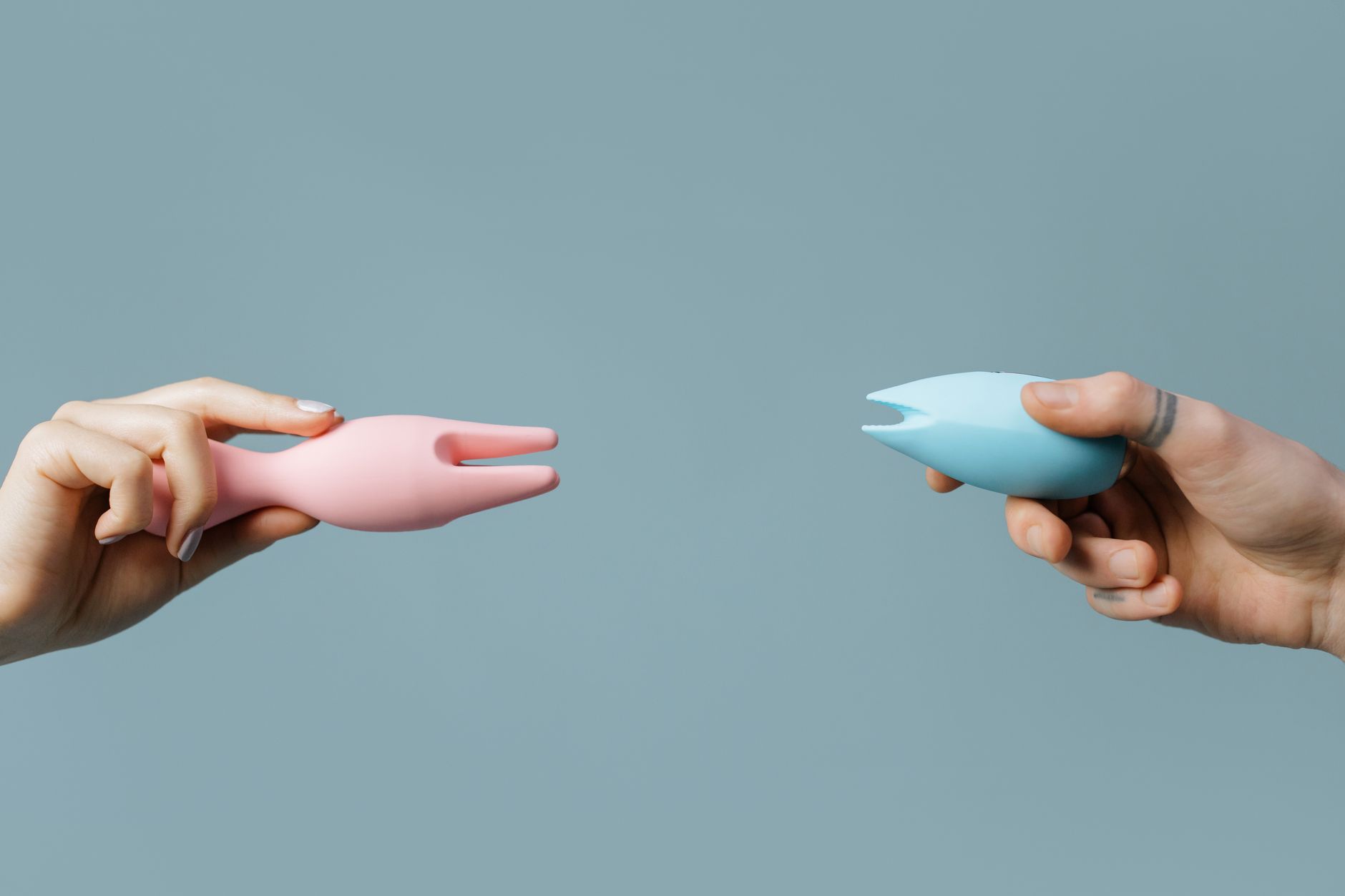
Photo by cottonbro studio on Pexels
How lemon vibrators fit into slow rebuilding
Lemon sexual toys, especially clitoral vibrators, work well for this particular moment because they do one thing exceptionally well: they provide consistent, forecastable sensation. There's no guessing, no performance, no rhythm you need to match.
When you're rebuilding desire after a gap, your brain is often still in analytical mode. You might find yourself thinking "Am I feeling this correctly?" or "Is this working?" A lemon vibrator removes that doubt. The sensation is immediate and clear. Your nervous system doesn't have to work so hard to locate pleasure.
Start with the lowest setting. You're not aiming for orgasm at this stage. You're aiming for: does this feel good? Can I focus on sensation for three minutes without distraction? The answer to both is yes? That's a win.
The permission piece (the part therapy helps with)
Honestly, the vibrator is doing maybe 40% of the work here. The other 60% is you giving yourself permission to rebuild this part of your life without guilt, timeline pressure, or proving anything to anyone.
If you're rebuilding desire after a relationship ended, your nervous system might whisper that pleasure is disloyal. If it's after health issues, there's often shame tangled in there. If it's after burnout or depression, desire sometimes feels like a luxury you didn't earn. These aren't logical thoughts, but they're real, and they live in your body.
Using a lemon clitoral vibrator becomes a small, repeatable act of saying no to those whispers. This is mine. This is for me. This has no external purpose. That repetition rewires more than the vibrator ever could.
Practical steps for slow rebuilding
Set a low bar for success. One session per week where you spend five minutes exploring sensation. Not ten sessions where you push for an orgasm. The pressure to "achieve" pleasure kills the entire project. Literally does the opposite of what you want.
Time it when you're alone and unhurried. Rebuilding desire requires attention. If you're half-watching Netflix or listening for your roommate, your nervous system is still partly in protective mode. Give yourself thirty minutes where nothing else is happening.
Use water-based lubricant even if you don't think you need it. When desire is quiet, natural lubrication often is too. Lube isn't a sign something's wrong. It's a tool that makes sensation clearer.
Start with patterns, not intensity. Most lemon vibrators have multiple settings. Begin at pattern one. If that feels boring, try pattern two. Skip intensity levels for now—you can explore those later once arousal is actually returning.
Notice what thoughts show up. You'll have intrusive thoughts during this process. Shame, doubt, boredom, impatience. Don't fight them. Notice them like clouds passing and keep going. Your nervous system is learning that touch is safe even when doubt is present.
When to expect shifts
Three to four weeks in, most people notice something changes. Not necessarily arousal—but the sensation starts to feel less clinical and more pleasurable. That's your nervous system downshifting from protective mode.
Six to eight weeks in, desire sometimes begins creeping back. It might arrive as curiosity one day, actual physical arousal the next. It's usually quieter than before, and that's fine. Quiet desire is real desire.
If you're at three months with no shift, that's when you want to check in with a therapist or doctor. Sometimes when sensation feels muted or numb, there's an underlying issue—medication side effects, unprocessed trauma, hormonal shifts. Those things respond to different interventions.
Working with a partner during this phase
If you have a partner, the most useful conversation isn't about sex. It's about patience and what you need to feel safe rebuilding this part of yourself. That might mean: no pressure to reciprocate right now, no comments on your arousal, no checking in constantly about whether you're "fixed." Your nervous system doesn't heal faster with an audience.
Some partners want to participate. That's fine, but only if it removes pressure rather than adding it. If your partner holding a lemon vibrator or watching makes you feel self-conscious, that's information. Rebuild alone first. Bring them in later when you've reestablished trust in your own pleasure.
The reframing that actually helps
Here's what I tell clients in my practice: you're not trying to get back to baseline. You're building a new baseline. Desire that returns after absence is often slower, more deliberate, less automatic. That's not worse. It's frequently more intentional and more grounded in what you actually want rather than what you think you should want.
Lemon clitoral vibrators become a tool for this intentional rebuild because they're uncomplicated, consistent, and entirely within your control. No rhythm to match. No performance pressure. No one else's needs in the room. Just sensation and permission.
Take your time. Your body knows how to return to pleasure. Sometimes it just needs permission and a little gentle, consistent signal that it's safe.
Common questions about rebuilding desire
Can using a vibrator too much make it harder for desire to return naturally?
No. This is a persistent myth. Using a lemon vibrator doesn't rewire your brain or make natural arousal harder to access. What actually happens is the opposite: consistent, positive sexual experience teaches your nervous system that touch and pleasure are safe. That foundation makes natural arousal easier, not harder, when it returns.
What if I use the vibrator and feel nothing at all?
Then you're getting really useful information. Sometimes numbness suggests you need more recovery time. Sometimes it points to medication side effects or hormonal shifts worth discussing with a doctor. Sometimes it means you need a different approach—maybe external sensation isn't the entry point right now; maybe emotional connection or fantasy is. There's no one path back.
Should I be having orgasms by now if I'm rebuilding correctly?
No. Orgasms are a milestone, not a measurement of success. If you're noticing pleasure, reducing performance anxiety, and spending consistent time with your body, you're rebuilding correctly. Orgasms will either show up or they won't. The goal is reestablishing a relationship with sensation, not hitting a specific outcome.
Is it normal for arousal to feel different than it used to?
Completely normal. Desire shifts with age, stress, relationship changes, and body changes. If you've been away from pleasure for years, your nervous system has changed. Your preferences might have changed. Your body might respond differently now. That's not failure. That's information. Rebuilding gives you a chance to discover what actually turns you on now, not what you thought should turn you on.
Can I use lemon sexual toys with a partner while I'm rebuilding solo desire?
Sure, but sequence matters. If you rebuild confidence and pleasure on your own first, partnered touch usually feels safer and less performative. If you jump straight to partnered use while your nervous system is still protective, you might accidentally add pressure. Solo first, then partner, then integrated. That order tends to work better.
What if rebuilding takes longer than I expect?
It sometimes does. Recovery from burnout, health issues, or relational trauma isn't linear. You might have weeks of steady progress, then a setback, then progress again. That's not failure. That's how healing actually works. The lemon vibrator stays available whenever you're ready. Your body isn't on anyone else's timeline.