Let's name what's actually happening
Sensation has flatlined. Maybe it happened gradually. Maybe it switched off one day and never came back. Either way, touch feels like it's happening to someone else. Orgasms are either impossible or so distant you're not sure they're worth the effort anymore. This is numbness, and it's more common than most people realize.
Here's what matters: numbness isn't a character flaw. It's a signal. Your body isn't broken. It's telling you something needs attention, and once you understand what that is, you can actually do something about it.
Why sensation goes numb in the first place
Numbness arrives for different reasons, and understanding yours changes how you fix it.
Emotional shutdown. When you've been hurt, rejected, or triggered, the nervous system does its job: it protects you by dampening sensation. This is especially true if the hurt happened during sex or intimacy. Your body literally numbs itself as a survival mechanism. This is real physiology, not psychology.
Chronic stress. When you live in fight-or-flight mode, your parasympathetic nervous system (the one responsible for arousal and pleasure) gets sidelined. Your body is conserving energy for threats, not orgasms. Long-term stress literally rewires your nervous system's priorities.
Medication side effects. Antidepressants, antihistamines, blood pressure meds, and even some birth control methods can numb sensation. This is documented. It's also often reversible if you work with a clinician.
Repetitive stimulation without variation. If you've been using the same routine for years without change, your nervous system adapts. The signal that used to register as intense now registers as neutral. This is habituation, and it's fixable.
Disconnection from your body. Trauma, disordered eating, chronic illness, or years of ignoring your own signals can create a gap between your nervous system and your conscious experience. You feel present, but you're also not present. Sensation gets lost in that gap.
Hormonal fluctuation. Estrogen, testosterone, and progesterone all affect nerve sensitivity. When these shift without your knowing it, sensation can feel muffled, especially around certain times of your cycle or after major life transitions.
Why lemon vibrators work differently when sensation is muted
Most people think of vibrators as a way to go faster or harder. That's one use. But when sensation is muted, the real power is in something else entirely: consistent, precise stimulation that bypasses the need to do mental work.
Here's the difference: when you're numb, your brain often gets in the way. You're trying to feel, monitoring whether you're feeling, wondering if you should be feeling by now. This monitoring actually reinforces the numbness because your nervous system can't both be hypervigilant and relaxed at the same time.
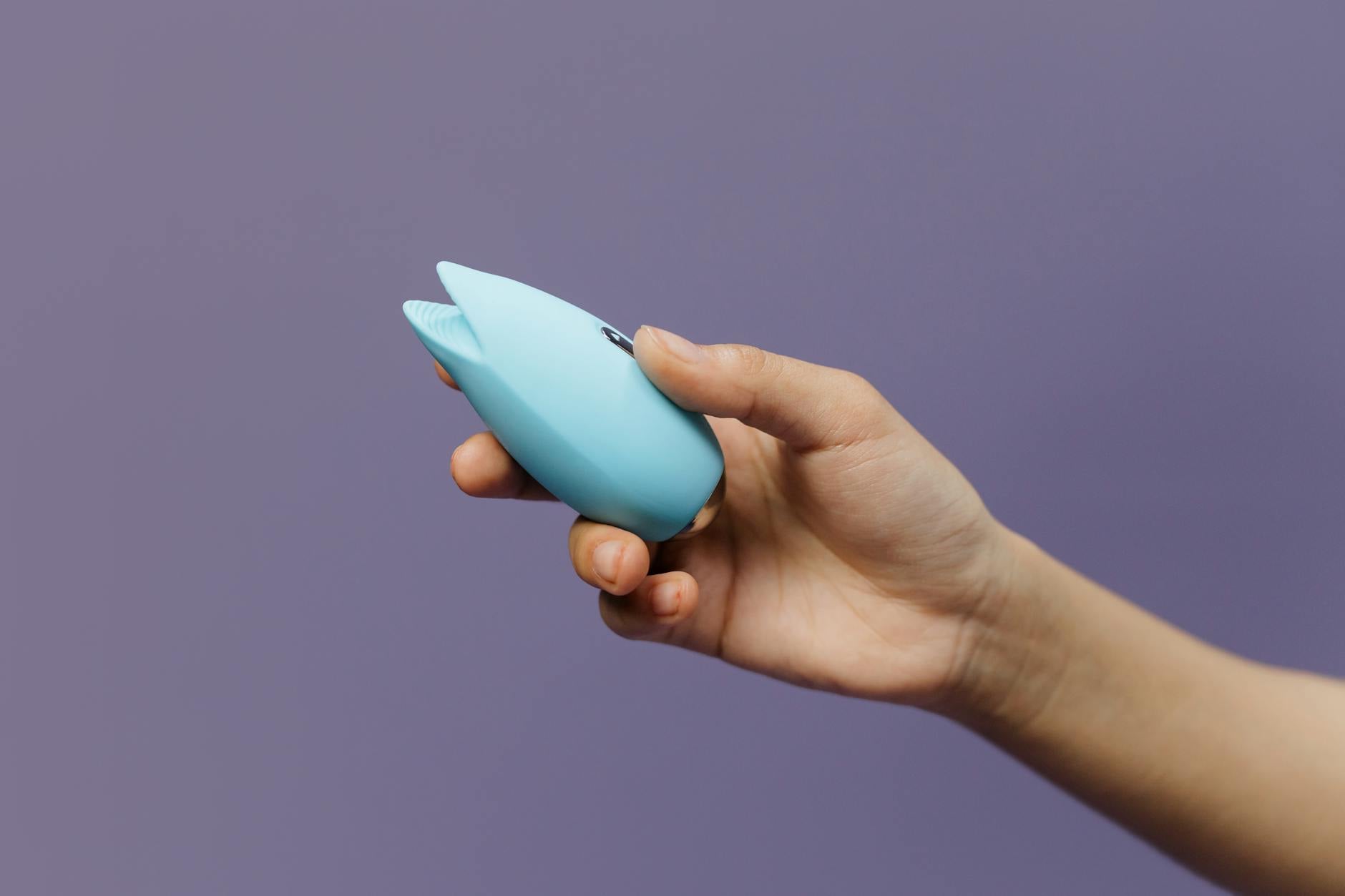
Clitoral vibrators like those from Lemon Clit Suckers work because they deliver steady, predictable input without requiring your effort. You don't have to chase sensation. You don't have to perform. You're just receiving, which is what your nervous system needs when it's been in lockdown.
The suction-based design matters too. Unlike traditional vibration (which can feel buzzy or distant when you're numb), suction creates gentle pressure and release that engages deeper nerve clusters. Many people report that suction reaches sensation that regular vibrators miss entirely. It feels like something is actually happening, which is what you need when numbness has convinced you that nothing will.
The practical setup that actually works
Using a lemon vibrator when you're numb isn't about trying harder. It's about creating conditions where sensation can come back on its own.
Start with no expectations. This sounds simple. It's not. The moment you add "I should orgasm" or "I need to feel something," you've turned pleasure into a goal, and your nervous system will clamp down harder. Instead, approach it as an experiment. "I'm going to spend 20 minutes and see what happens. Nothing needs to happen."
Extend the timeline. When sensation is muted, your nervous system needs time to warm up. I recommend 15 to 25 minutes of exploration before any direct clitoral stimulation. This means touch, sound, breath, temperature changes, or just holding the vibrator against your body without turning it on. You're waking up your sensory receptors, not rushing to the finish line.
Start at the lowest setting. Begin on pattern 1 or 2. The instinct when you're numb is to go harder, faster, more intense. That's backwards. Your nervous system is already defended. Adding intensity pushes it further into protection mode. Low, consistent stimulation says "it's safe here" to your nervous system.
Move around. Don't stay in one spot. The inner thigh, the area around the clitoris, the perineum, the lower belly. As sensation starts to return, you might notice that different areas wake up at different times. Let your attention follow that.
Stop before you think you should. If you're numb, your brain won't tell you when to stop because it's not registering much. Set a timer. When it goes off, stop. This sounds counterintuitive, but it trains your nervous system that pleasure doesn't require endurance. It's sustainable. It's not a test you can fail.
The mental part that changes everything
Technique matters, but the real shift happens between your ears.
Let go of the orgasm metric. Orgasm is not the goal right now. Sensation is. The moment you make orgasm the goal again, numbness returns. This is a temporary recalibration.
Notice what does register. You might feel warmth. Slight tingling. A sense of something happening even if it doesn't feel like classic arousal. This is progress. Your nervous system is coming back online. This matters more than any orgasm.
Practice being genuinely bored. This is weird advice, but here's why it matters: numbness often comes with hypervigilance masquerading as focus. You're watching yourself, judging yourself, waiting. Genuine boredom is different. It's relaxed. It's "this is happening and I'm just here." Boredom is actually where sensation returns.
Separate this from your relationship. If you have a partner, this exploration needs to happen solo first. Bringing a partner into this while you're still reconnecting with sensation adds performance pressure, which kills the entire process. Do this work alone. Once sensation comes back, bring your partner in if you want to.
When numbness is pointing to something bigger
If numbness has been there for months without any return of sensation, or if it arrived suddenly after a specific event, it's worth checking in with a healthcare provider. Numbness can signal neurological changes, medication side effects, or unprocessed trauma that therapy would help.
It's also worth noticing whether the numbness is localized to sex or whether it's spreading to other sensations: food, touch, temperature, pain. Widening numbness usually means your nervous system needs more support than a vibrator alone can provide.
But most of the time, numbness is reversible. It's not permanent. Your nervous system is highly plastic. It can rewire. You just need the right conditions and the right tool.
The waiting period is the work
Here's the thing nobody tells you: the first few sessions with a lemon vibrator when you're numb might feel like nothing. That nothing is actually important. You're teaching your body that it's safe to be touched again. You're showing your nervous system that sensation can come back without pressure.
Keep going. Most people report that by session four or five, something shifts. A slight responsiveness. A moment of genuine feeling instead of just mechanical contact. This is your nervous system coming back online.
It takes patience. It takes removing the goal. It takes trusting that your body hasn't forgotten how to feel. It just needs permission and the right conditions to remember.
People also ask
How long does it take to regain sensation after numbness?
Timeline varies wildly. Some people notice change in two to three weeks. Others take two to three months. The key factor isn't how long you spend, it's consistency and removing performance pressure. Numbness that arrived slowly usually takes time to reverse. Numbness from acute trauma might shift faster once the nervous system feels safe.
Can you use lemon vibrators if you have no sensation at all?
Yes. In fact, this is exactly when they're most useful. When there's no sensation to begin with, there's no pressure to create sensation. You're just exploring. Many people find that the consistent input from a clitoral vibrator is what finally breaks through complete numbness. The key is starting low and staying patient.
Is numbness during sex different from general numbness?
Often yes. Some people can feel sensation in everyday touch but not during sex or arousal. This usually points to performance anxiety, trauma specific to intimacy, or a disconnect between your mind and body during sex. A vibrator can help retrain your nervous system to feel during arousal, but it works best when combined with mindfulness or therapy that addresses the mental block.
Does numbness mean you'll never have orgasms again?
No. Numbness is a temporary state of your nervous system, not a permanent condition. Orgasms may feel different when sensation returns, but they do return. The goal isn't to chase orgasms anyway. It's to rebuild the ability to feel pleasure in general. Orgasms often follow naturally once that foundation is rebuilt.
Should I tell my partner about numbness?
That depends on your relationship and your comfort level. If you have a partner and this is affecting your sex life, yes, eventually. But I'd recommend giving yourself time to explore solo first. Once you understand what you're working with and have some tools, then bring your partner in. Frame it as "I'm reconnecting with myself" rather than "something's wrong with me."
What if numbness comes back after it starts to improve?
This is normal. Healing isn't linear. If you've had major stress, a triggering experience, or relationship conflict, numbness can return. It doesn't mean you've lost progress. It means your nervous system is responding to a new stressor. Pause, get back to basics, and go slow again. Your body knows how to come back. It's just asking for gentleness.
It comes back
I've worked with hundreds of people through numbness, and I can tell you with confidence: sensation returns. It doesn't return the same way it left. It comes back in its own time, at its own pace. And often it comes back richer, more nuanced, and more genuinely connected to your own body than it was before.
The tool matters. Your patience matters more. A lemon vibrator from Lemon Clit Suckers becomes most powerful not when you're chasing intensity, but when you're creating space for your nervous system to feel safe again. Start low, stay slow, and trust the process.
If you want to talk through what's happening in your specific situation, reach out. That's what I'm here for.