The strange relief of desire returning
You spent months (or years) not thinking about sex. Your body was flat. Your brain was fog. Then your treatment shifted. The medication dosage changed, the therapy finally clicked, or both. And one day you noticed something: a spark. A pull low in your belly. A thought about pleasure that didn't immediately dissolve into apathy.
This is good news wrapped in confusion.
When depression numbs your sexuality, the shutdown feels protective. You stop noticing bodies. You stop imagining scenarios. You stop wanting. For a long time, that's the only reality you know, and fighting it takes energy you don't have. Then recovery arrives, and desire bubbles back up. But here's what nobody warns you about: your body and mind might not recognize each other anymore.
Why reconnection feels so different
Depression doesn't just lower libido. It fractures the conversation between your brain and your body. When you're depressed, your nervous system lives in survival mode. Touch feels like an obligation. Pleasure feels impossible. Your genitals might physically work, but the electrical wiring that turns sensation into desire has been unplugged.
As treatment works, that wiring comes back online. But there's a lag. Your mind knows intellectually that you can feel pleasure again. Your body isn't sure it remembers how. Some people describe it as feeling numb from the neck down for weeks after mood stabilizes. Others notice they're aroused but can't quite access orgasm, even when they're trying. A few feel hypersensitive, like their nerve endings went from off to maximum without a dimmer switch.
This is neurologically normal. Your brain is literally rewiring itself. And that rewiring has rhythm. It doesn't happen on your timeline.
The case for starting solo
If you're partnered, the impulse might be to jump back into partnered sex now that you're functional again. Resist that impulse. Your partner will understand. If they won't, that's a separate conversation.
Here's why solo exploration matters first: you need to remember how your body responds without the performance pressure of someone else being present. Depression made you numb to yourself. Healing means rebuilding that internal map. When another person is in the room, your nervous system splits its attention between your own sensation and their reaction. You can't fully focus on what's actually happening in your body.
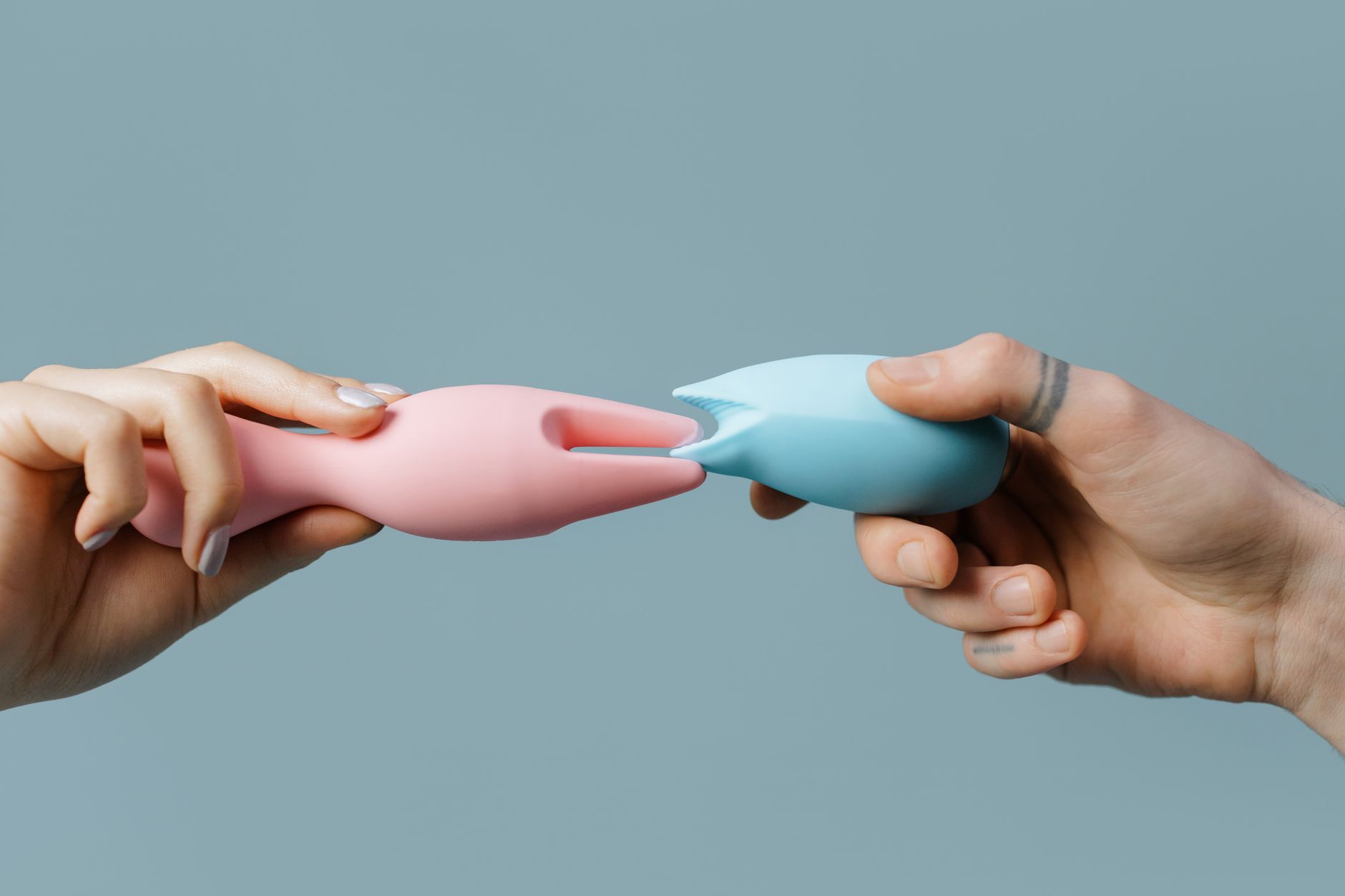
Using a lemon clitoral vibrator solo gives you permission to be slow, awkward, and gentle with yourself. There's no audience. No stakes. Just you and the simple question: what does this feel like now?
How clitoral vibrators help the reconnection
When desire is returning but sensation still feels muted, vibration becomes a tool for tuning in rather than pushing through. Unlike manual touch, which requires your body to actively interpret sensation, vibration creates a consistent stimulus that your nervous system can more easily detect and amplify.
This matters because depression often dulls proprioception, the sense of where your body is and what it's feeling. A lemon vibrator provides external feedback that your nervous system can register more clearly than a fingertip alone. The suction action of clitoral vibrators is especially helpful here because it creates sustained, focused stimulation that builds gradually rather than peaks and crashes.
Start at the lowest pattern and the gentlest suction. The goal isn't an orgasm (though those will come back, usually within weeks of consistent reconnection). The goal is simply information. What does arousal feel like now? Does it build gradually or in waves? Do you prefer a specific pattern, or does your preference shift?
Recovery isn't linear. Some days your body will feel awake. Other days the numbness will creep back. Both are normal. Keep exploring anyway.
The timeline you can realistically expect
Honestly, this varies wildly depending on your medication, your depression history, and your nervous system. But patterns do emerge from what people report.
Weeks 1-2 after mood stabilization: You'll likely notice desire as a thought rather than a sensation. "I want to feel pleasure again" is different from actually feeling pleasure. Use this window to get comfortable with the vibrator's different patterns and intensities without expecting an orgasm. This is detective work.
Weeks 2-4: Sensation starts arriving. It might feel strange or distant at first. You might orgasm in a muted way that feels less intense than you remember. This is fine. Your nervous system is waking up. Consistency matters more than performance right now. Three or four sessions a week of 15-20 minutes beats one marathon session.
Weeks 4-8: Most people report sensation feeling more familiar. Orgasms come more easily. The intensity often builds back to baseline or beyond. This is also when you might notice something unexpected: pleasure feels fresher because you've been away from it. Many people report that their first orgasms post-recovery feel more vivid than they did before the depression.
Month 3 onward: Your body and your pleasure should feel integrated again. This doesn't mean every session is perfect. Some days your body will feel numb again (medication adjustments, stress, or just the unpredictable nature of nervous system regulation). But the baseline is reconnection.
When to introduce a partner back in
There's no universal timeline, but most therapists I work with recommend waiting until you've had at least a few sessions where orgasm comes relatively easily solo. This signals that your nervous system has genuinely rewired, not just intellectually accepted the possibility of pleasure.
When you do bring your partner back in, communicate clearly about what you learned solo. Not every detail. Just the basics: "My arousal builds slowly right now. I like these patterns. I want to stay focused on sensation rather than performance." Partners often worry that depression's dampening of your sexuality means you've lost attraction to them. You haven't. You've lost access to your own nervous system. Help them understand the difference.
If your partner is also struggling with your depression's impact on the relationship, consider couple's therapy before reintroducing partnered sexual activity. Depression damages relational trust. Pleasure is one way to rebuild it, but only after the trust foundation is there.
The role of consistency and gentleness
One mistake people make during this reconnection is treating it as a project to "fix," then moving on. Pleasure isn't something you repair and return to the shelf. It's something you practice, especially during sensitive periods of nervous system recovery.
Schedule time with your lemon vibrator the way you'd schedule meditation or a walk. Not because it's an obligation, but because consistency rewires the brain faster than sporadic sessions. Your nervous system learns through repetition. Each time you use a vibrator and have a positive experience, you're literally strengthening the neural pathways associated with pleasure and safety.
Be gentle if some sessions feel flat. Your body might need rest. Stress, sleep deprivation, or a medication adjustment can temporarily dampen sensation again. That doesn't mean you've backslid. It means you're human, navigating a complex system.
The unexpected gift of recovery
Here's something people don't always mention: sometimes the pleasure that comes back after depression is better than what was there before. When you've been away from sensation entirely, reconnecting creates a kind of novelty. Your body feels new to you. Orgasms feel new. The landscape of pleasure, familiar before, becomes worth exploring again.
You also know something now that you didn't before: pleasure is fragile, and it's worth protecting. Not in a rigid, perfectionist way, but in a grounded, intentional way. You don't take sensation for granted anymore. You understand, viscerally, that your nervous system health depends on rest, connection, and safety.
Use that knowledge as you rebuild.
Frequently asked questions
How long after starting antidepressants does libido usually return?
Sexual side effects from SSRIs and SNRIs vary widely. Some people see improvement within 2-3 weeks of a dosage adjustment. Others take 8-12 weeks. If your medication has been stable and you're feeling emotionally better for at least 4 weeks, your libido should be returning. If desire is completely absent after 3 months of mood stability, mention it to your prescriber. A dose change or adding a medication to counteract sexual side effects might help.
Is it normal if my orgasms feel weaker than before depression?
Completely normal. Your nervous system has been offline. Orgasm is a complex response involving your brain, spinal cord, and pelvic floor. As those systems wake up, sensation rebuilds gradually. Weaker orgasms in the first 4-6 weeks don't mean they'll stay that way. Consistent practice with a vibrator actually accelerates the rebuilding process.
Can I use a lemon clitoral vibrator if I'm still on antidepressants?
Yes, absolutely. In fact, many people find that clitoral vibrators actually help offset some of the sexual side effects of antidepressants. The external stimulation can compensate for the numbing effect the medication causes. If your medication is causing sexual difficulties, your doctor might adjust your dosage or timing, but vibrator use is safe and often recommended by sex therapists as part of recovery.
What if I'm partnered and don't want to explain why I need solo time with a vibrator?
Your body, your privacy. You don't owe anyone a detailed explanation of your pleasure practice. A simple "I'm healing from depression and I need some solo time to reconnect with my body" is enough. If your partner pushes back or makes you feel ashamed, that's a relational red flag worth exploring with a therapist.
How do I know if I'm genuinely recovering vs. just going through the motions?
Geniune recovery feels like recognition, not performance. When you're reconnecting authentically, you notice micro-sensations you'd forgotten. Your body starts surprising you. You don't have to think about whether you're having an orgasm; your nervous system tells you. If you're using a vibrator and feeling nothing but obligation, you might not be far enough into nervous system recovery yet. Pause. Give your body more time. This isn't a race.
Should I tell my therapist I'm using vibrators during recovery?
If you have a sex-positive therapist, yes. They can support your reconnection intentionally and flag any patterns that suggest something else is going on (like compulsive use that masks a return of depression symptoms). If your therapist is religious or otherwise sex-negative, you don't have to disclose. But a therapist who can't discuss sexual reconnection during depression recovery is limiting their ability to help you.
Moving forward
Depression steals desire. Recovery returns it, but not always in the same package as before. That's not a loss. It's a transformation. Your body, once asleep, is waking up differently. Use tools like lemon vibrators not to force your way back to "normal," but to rebuild trust with a nervous system that's learning to be alive again.
Your pleasure matters. Your recovery matters. Take your time. If questions come up as you reconnect, our team is here. Reach out at /contact.