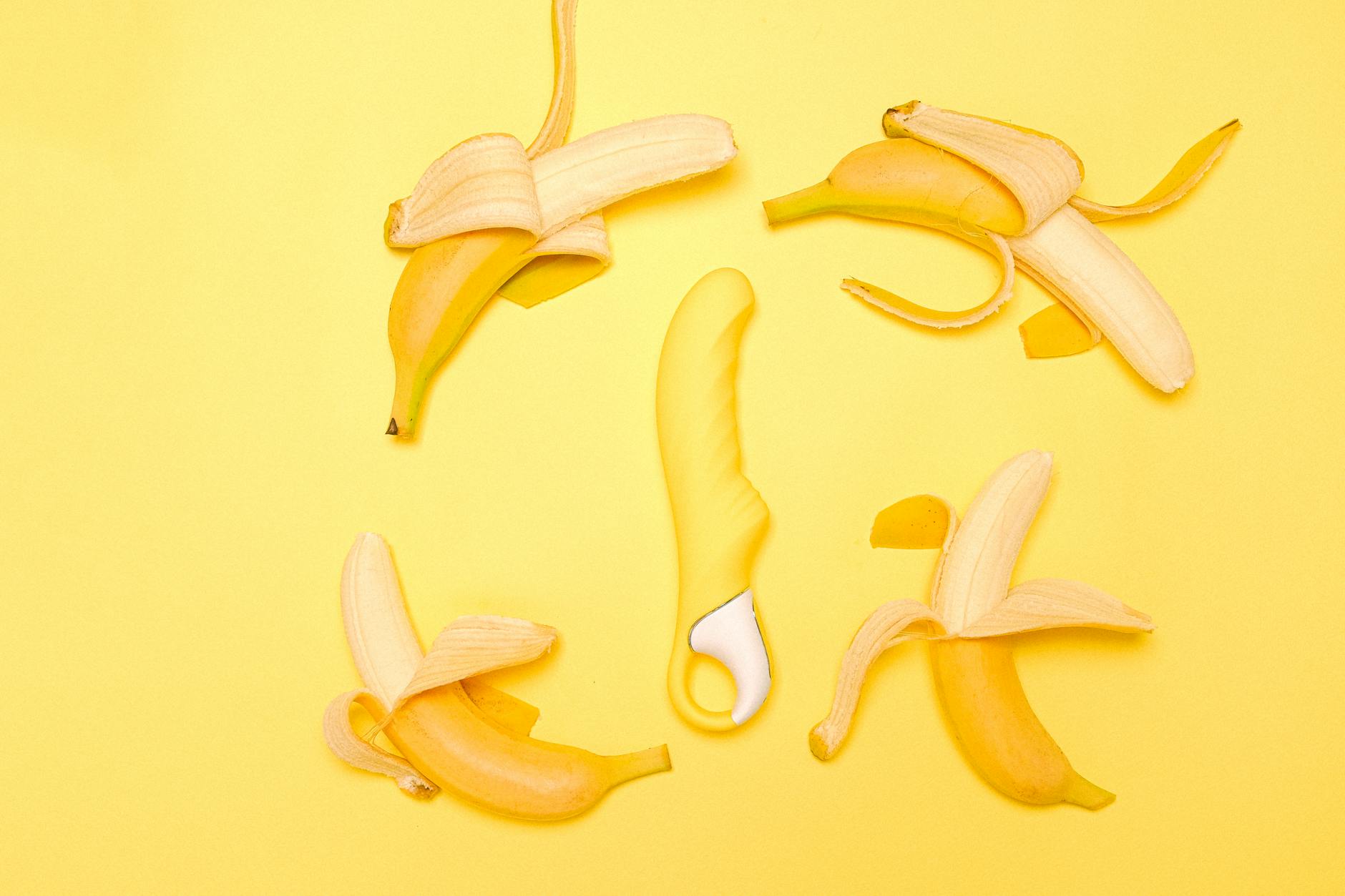
How Birth Control Messes With More Than Pregnancy
Let's be real. You're on birth control to not get pregnant. Nobody mentions that it might also kill your desire to have sex in the first place. Yet that's exactly what happens to somewhere between 15 and 40 percent of people taking hormonal contraception, depending on the method and your individual chemistry.
This isn't a side effect you're supposed to just live with. It's also not all in your head. The drops in desire, sensation, and orgasm quality are measurable, documented, and reversible. The trick is understanding what's happening so you can decide whether to stay on your current method, switch, or work with what you've got.
What Hormonal Birth Control Actually Does to Desire
Hormonal contraception works by suppressing ovulation. To do that, it floods your body with synthetic versions of estrogen and progestin (or progestin alone, in the case of the mini-pill or hormonal IUD). This isn't subtle. Your pituitary gland shuts down. Your FSH and LH plummet. Your natural testosterone production tanks.
Yes, testosterone. People with vulvas make it too, and it's a primary driver of sexual desire. When birth control suppresses testosterone, desire often follows suit.
But that's only half the story. Hormonal contraception also increases a protein called sex hormone-binding globulin, or SHBG. Think of SHBG as a sponge that soaks up whatever testosterone remains in your system, making it unavailable to your body. So you're not just producing less testosterone. The testosterone you do produce gets locked up and unusable.
The result. Libido drops. Orgasms feel muted or harder to reach. Physical sensation decreases. Your body takes longer to respond to stimulation. And because nobody talks about this during your contraception consultation, millions of people assume something is wrong with them, their partner, or the relationship.
There isn't. Your birth control is just working exactly as designed, and your body is paying an unexpected price.
Why Clitoral Vibrators Work Differently When Desire Is Low
When testosterone is suppressed and sensation is dampened, penetration often feels less interesting anyway. The clitoris, though. The clitoris has somewhere between 8,000 and 10,000 nerve endings. It doesn't care how much testosterone you have. It responds to the right kind of stimulation regardless.
This is where lemon clitoral vibrators, and suction-style devices in particular, offer something different. Instead of relying on friction intensity or pressure, they create a gentle suction and release pattern that stimulates the clitoral complex without demanding that your body already be in a heightened state of arousal.
You don't need desire to start. You don't need sensation to already be firing. The vibrator does the work while you stay curious. And very often, that curiosity builds into arousal, which builds into pleasure, which rebuilds the neural pathways that birth control has dampened.
Suction-style lemon vibrators also bypass one of the most frustrating parts of low-libido birth control: the feeling that you're forcing yourself. Because they provide consistent, targeted stimulation without requiring penetration or friction, you can explore pleasure on your own timeline. That agency matters. It's often what allows people to reconnect with desire in the first place.
The Practical Adjustment When Your Sex Drive Has Flatlined
If you've been on hormonal contraception for months or years and your libido has tanked, here are three changes that help almost immediately.
First: lower your expectations of spontaneity. Birth control doesn't just reduce desire. It often delays it. Spontaneous arousal might not come back until you switch methods or stop taking it altogether. So instead of waiting to feel horny and then acting on it, try scheduling pleasure. I know that sounds clinical. It isn't. It's giving yourself permission to explore without waiting for a feeling that might not show up.
Second: start solo. If your libido is low, adding the pressure of partnered sex or the need to reciprocate makes it worse. Solo exploration with a lemon vibrator removes that dynamic entirely. You're not performing. You're not trying to synchronize with someone else's rhythm. You're just learning what your body still responds to, without an audience.
Third: switch to suction-style stimulation. Traditional vibrators work by moving back and forth against tissue. That works when sensation is high and arousal is building. When both are suppressed, that friction can actually feel irritating rather than pleasurable. Suction vibrators like those from Lemon Clit Suckers create a different sensation entirely. They engage the clitoris without requiring you to already be turned on.
Understanding the Difference Between Low Libido and Low Sensation
Here's a distinction that matters. You might have low libido (you're not thinking about sex, don't want it) but normal sensation (when you do engage, things feel good). Or you might have normal libido (you want sex) but low sensation (it doesn't feel like much). Or both. Birth control usually tanks both, but not always equally.
If your desire is low but your sensation is relatively intact, the barrier is usually mental. You need permission to prioritize pleasure without the pressure of arousal showing up first. Solo time with a vibrator can rebuild that.
If your sensation is low, the barrier is physiological. Your nerve endings are less responsive. Your blood flow to the clitoris during arousal is reduced. A suction vibrator directly addresses this by creating strong enough stimulation that it breaks through the numbness.
If both are low, you're dealing with both barriers. You need both permission and direct stimulation. The lemon vibrator handles the second part. The permission comes from you.
What Switching Birth Control Actually Does
If you're thinking about stopping your current method to try to get your libido back, here's the timeline. Most people regain 50 percent of their baseline desire within two weeks of stopping hormonal contraception. The rest typically returns over three to six months as your natural hormone production resumes.
But "going off" isn't always realistic or desirable, especially if you need the pregnancy prevention, the acne control, or the period regulation that your current method provides. If that's you, you have three actual options.
One: switch the type of hormone. Some formulations and methods suppress testosterone less than others. The estrogen-only pill typically has less impact on desire than the combined pill. The progestin-only pill actually increases SHBG more, which can worsen libido issues. Copper IUDs have zero hormonal impact. A conversation with your provider about whether your specific pill, ring, or patch might be swapped for something gentler is worth having.
Two: accept the trade-off and work with it. You stay on birth control for the benefits it gives you. You rebuild pleasure using other methods. Lemon clitoral vibrators are part of that toolkit. You're not trying to get back to your pre-contraception baseline. You're finding new ways to experience pleasure within your current reality.
Three: combine methods. If pregnancy prevention is your goal, you don't necessarily need hormonal contraception at all. Copper IUDs, condoms, or other non-hormonal options exist. But switching is a conversation with a provider, not a DIY decision.
How to Use a Lemon Vibrator When Desire Isn't There Yet
Start without pressure or expectation. Your only goal is curiosity. Sit somewhere comfortable. Don't make this about orgasm or even arousal. Make it about sensation.
Begin at the lowest intensity setting. Most lemon vibrators have multiple patterns. Start with the gentlest one. Explore the sensation against the outer edges of your vulva first, not directly on the clitoris. Your clitoris is sensitive and often oversensitive when sensation is dampened. Easing into direct stimulation helps.
Spend 3 to 5 minutes just noticing. Is the sensation pleasant? Neutral? Irritating? Does it change if you shift the angle? If you take a breath and relax more fully? What happens if you notice your mind wandering and then bring attention back without judgment.
After 5 to 10 minutes, you can move the vibrator slowly toward the clitoris. Still low intensity. Still curious, not goal-focused. Sometimes pleasure builds. Sometimes it doesn't. Both are okay. You're training your nervous system to recognize pleasure as something available to you again, even if birth control has dimmed it.
Do this 2 to 3 times per week without any expectation of orgasm. Over time, many people find that arousal starts rebuilding. Sensation clarifies. The journey from "I don't want sex" to "I'm interested in exploring" often happens quietly through this kind of repeated, low-pressure exposure.

Photo by FounderTips on Pexels
When to Consider Talking to Your Doctor
If you've been on hormonal birth control for six months or longer and your libido has completely disappeared, it's worth mentioning to your provider. Not because there's something wrong with you, but because they might have options you're not aware of.
They can run blood work to see where your testosterone and SHBG are sitting. They can discuss whether your specific formulation might be contributing more than others. They can explore whether there's an underlying condition, like depression or thyroid dysfunction, that birth control is masking.
They might also talk about whether you actually need hormonal contraception right now, or whether other methods might serve you better. A lot of people stay on their original method for years without ever asking whether it's still the best choice.
The Myth That You Just Have to Accept It
One more thing. If someone has ever told you that losing your sex drive on birth control is just the price you pay for not getting pregnant, they're wrong. You shouldn't have to choose between contraception and desire.
Sometimes the choice is real and unavoidable. You stay on your method because it's right for your life right now, and you rebuild pleasure using other tools. That's a valid choice. But it shouldn't be presented as inevitable or as something you have to suffer through quietly.
Lemon clitoral vibrators, regular solo exploration, conversations with your partner about timing and pressure, and honest conversations with your provider about whether your current method is actually serving you. Those are all part of reclaiming pleasure when birth control has dampened it.
Your desire matters. Your sensation matters. And birth control doesn't get to be the final word on either one.
People Also Ask
How long does it take for libido to come back after stopping birth control?
Most people notice a shift within two weeks as their body starts producing testosterone again. By three months, most of the baseline desire typically returns. Some people see a full rebound within six months. The timeline depends on how long you were on hormonal contraception, which method you used, and your individual hormone production. Progestin-only methods sometimes show faster libido recovery than estrogen-containing pills because they suppress testosterone less. If you're switching methods rather than stopping altogether, the timeline is different. Talk to your provider about what to expect with your specific situation.
Can lemon vibrators help if my sensation is completely numb from birth control?
Yes, but with a caveat. If sensation is genuinely numb, it's because your blood flow to the clitoral tissue is reduced and your nerve endings are less responsive. A strong suction vibrator can break through that numbness by providing more direct, consistent stimulation than your body can generate on its own. Start with lower intensities and work up. The goal is to train your nervous system to recognize and respond to sensation again. It often works, but it takes time and repeated exposure. If numbness persists after three months of regular exploration, it's worth discussing with a provider.
Should I tell my partner that birth control is affecting my libido?
Yes, but frame it correctly. This conversation is not "I'm not attracted to you" or "I don't want sex with you." It's "My body is responding differently to hormones, and I'm working on rebuilding pleasure. Here's what would help me." Many partners appreciate honesty and feel relief knowing it's not about the relationship. Solo exploration time, lower pressure, and specific requests (like longer foreplay or starting with a vibrator instead of penetration) make the conversation less abstract. If your partner responds with defensiveness or pressure, that's a separate issue worth exploring, possibly with a couples counselor.
Do I need to switch birth control to get my libido back?
Not necessarily. Some people regain enough desire on their current method by using vibrators, reducing performance pressure, and giving their body time to adjust. Others find that switching to a lower-hormone formulation, a copper IUD, or a non-hormonal method makes a huge difference. There's no universal answer. It depends on how much your specific method is suppressing testosterone, how much you need that particular method for other reasons, and how much the libido loss is affecting your life. A provider can help you weigh the options, but you get the final say.
Can using a lemon vibrator solo help me want sex with my partner again?
Often, yes. When you reconnect with sensation and pleasure on your own, it rebuilds the neural pathways that birth control dampened. Many people find that solo exploration makes partnered sex feel interesting again, even if desire hasn't fully returned. Plus, partners can be involved in the process, which can rebuild intimacy and take pressure off both of you. If you're rebuilding intimacy after a long pause, introducing a vibrator together can actually reconnect you rather than replace connection.
What if birth control killed my libido and my partner's, too?
If both partners are on hormonal contraception and both are experiencing libido loss, you're dealing with a compounding problem. This is the moment to talk honestly about whether you both want to stay on your current methods. Sometimes couples decide to switch to non-hormonal options together. Sometimes one partner switches while the other stays. Sometimes they decide to rebuild intimacy and pleasure more deliberately, with or without method changes. The point is: you don't have to both accept a flatlined sex life just because hormones are involved. That conversation is worth having.
References
- Wallwiener, M., et al. "Sexual Desire and Satisfaction in Females Taking Oral Contraception." Contraception, vol. 100, 2019.
- Larsson, G., & Österberg, B. "Genital Anatomy and Sexual Function in Women Taking Hormonal Contraception." Journal of Sexual Medicine, vol. 16, 2019.
- Nappi, R. E., & Ferdeghini, F. "The Impact of Hormonal Contraceptives on Mood and Libido." Climacteric, vol. 22, 2019.
- Kingsberg, S. A., et al. "Dehydroepiandrosterone and Sexual Function in Women." Sexual and Relationship Therapy, vol. 29, 2014.